


The Price of Freedom: 250 Years of America's Victories, Failures, and Enduring Promise

Celebrating America's 250th Anniversary (1776–2026)
On July 4, 2026, the United States marks 250 years of independence. So far, America has written a blockbuster story of revolution, reform, innovation, injustice, unity, and division. Throughout its history, generations of Americans have expanded the meaning of freedom while confronting the skeletons buried deep within this nation’s roots. As we celebrate this milestone, we reflect on five eras that shaped the American experience—and the lessons they offer for building a stronger democracy in the years ahead.
1776–1826: The Birth of America

Historical Moments
1776: The Declaration of Independence established the nation's commitment to self-government and individual liberty.
1787–1788: The Constitution created a new framework for democratic governance.
1803: The Louisiana Purchase doubled the nation's territory and opened new expansion opportunities.
Notable Figures
George Washington – Set important precedents as the nation's first president.
Thomas Jefferson – Principal author of the Declaration of Independence.
James Madison – Often called the "Father of the Constitution."
Technology & Innovation
Improvements in printing helped spread political ideas and news.
Early steam-powered technology laid the foundations for future industrial growth.
Agricultural innovations increased food production and settlement opportunities.
American Culture
A distinct American identity emerged separate from British rule.
Democratic participation and civic engagement became national ideals.
Frontier life shaped the nation's spirit of exploration and self-reliance.
Challenges & Lessons
Slavery and Exclusion
While proclaiming liberty, the nation continued to permit slavery and excluded many groups from full citizenship.
Lesson: America's founding ideals required future generations to broaden the definition of freedom and equality. So far, America has told an extraordinary story of revolution, reform, innovation, injustice, unity, and division.
1826–1876: Expansion, Conflict, and Reconstruction
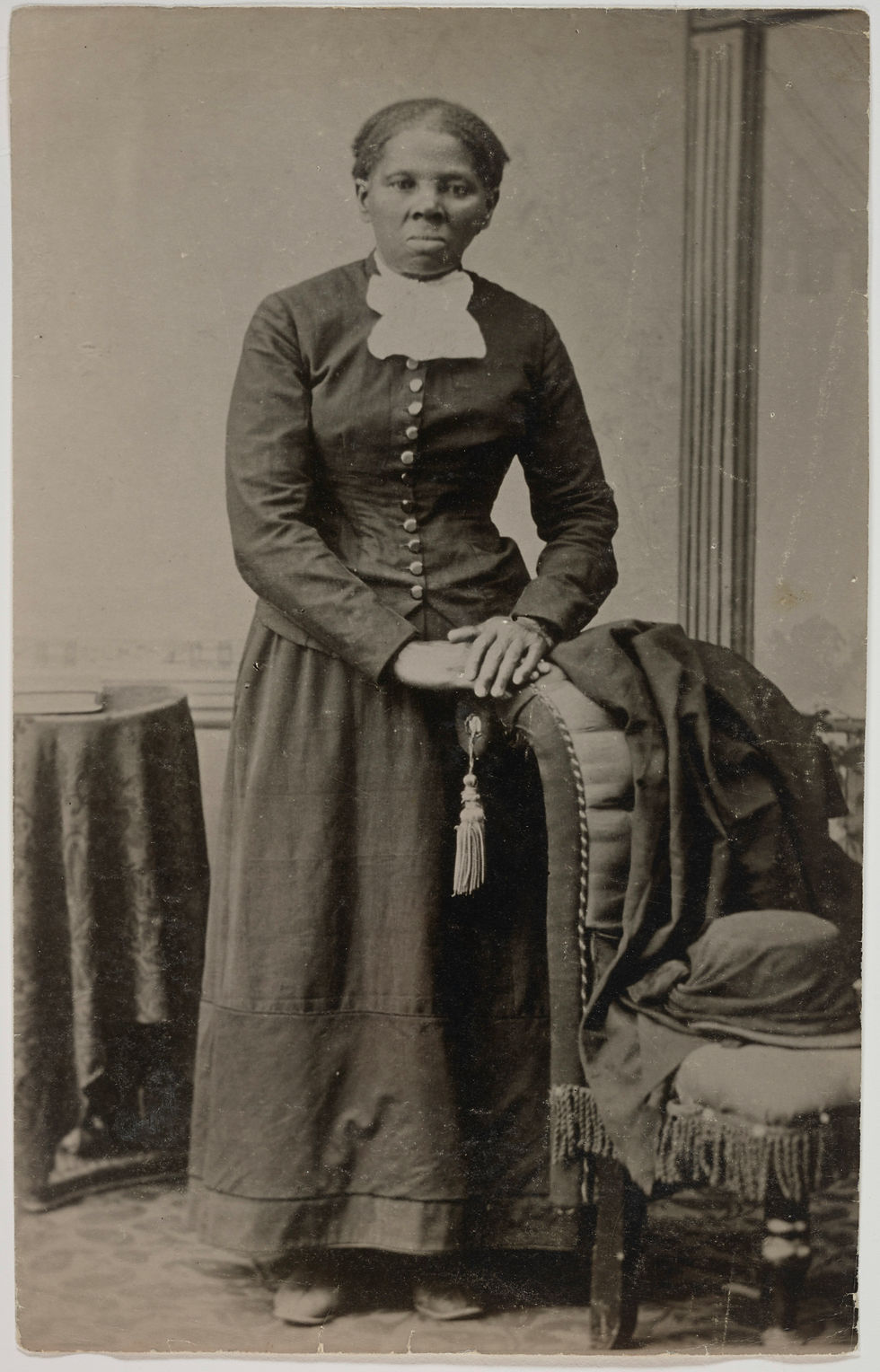
Historical Moments
1848: The California Gold Rush attracted settlers seeking opportunity.
1861–1865: The Civil War tested the nation's survival and identity.
1863: The Emancipation Proclamation redefined the war as a fight against slavery.
Notable Figures
Abraham Lincoln – Led the nation through the Civil War.
Frederick Douglass – Powerful advocate for abolition and equal rights.
Harriet Tubman – Helped enslaved people escape through the Underground Railroad.
Technology & Innovation
The telegraph dramatically accelerated long-distance communication.
Expanding railroad networks connected regions and fueled economic growth.
Industrial machinery improved productivity in agriculture and manufacturing.
American Culture
The pioneer spirit became central to the American identity.
Immigration diversified communities and strengthened local economies.
Reform movements pushed for social and political change.
Challenges & Lessons
Civil War and National Division
Deep disagreements over slavery led to the deadliest conflict in American history.
Lesson: Lasting unity depends on confronting injustice rather than ignoring it.
1876–1926: Industry, Reform, and Modern America

Historical Moments
Rapid industrialization transformed the United States into an economic powerhouse.
The Progressive Era introduced reforms aimed at improving government and labor conditions.
1920: The 19th Amendment granted women the right to vote.
Notable Figures
Theodore Roosevelt – Championed reforms and conservation efforts.
Susan B. Anthony – A leading voice in the women's suffrage movement.
Henry Ford – Revolutionized manufacturing through assembly-line production.
Technology & Innovation
Electricity transformed homes, businesses, and cities.
The telephone revolutionized communication.
Automobiles and airplanes changed how Americans traveled.
American Culture
Urban centers grew rapidly as people moved from rural areas.
Jazz emerged as a uniquely American musical art form.
Organized sports became an important part of national life.
Challenges & Lessons
Inequality and Discrimination
Many workers faced harsh conditions while racial segregation remained widespread.
Lesson: Economic and technological progress must be paired with fairness and equal opportunity.
1926–1976: Crisis, Courage, and Change

Historical Moments
1929: The Great Depression challenged the nation's economy and resilience.
1939: World War II helped establish the United States as a global leader.
1940s - 1960s: The Civil Rights Movement advanced equality and voting rights.
1969: Apollo 11 achieved the first human landing on the Moon.
Notable Figures
Franklin D. Roosevelt – Guided the nation through economic crisis and war.
Martin Luther King Jr. – Led the fight for civil rights through nonviolent activism.
Neil Armstrong – Became the first person to walk on the Moon.
Technology & Innovation
Television transformed news, entertainment, and culture.
Jet travel made the world more accessible.
Early computers paved the way for the digital revolution.
American Culture
Rock and roll reshaped music and popular culture.
Television became a shared national experience.
Social movements encouraged greater civic participation.
Challenges & Lessons
Segregation and Civil Rights Struggles
Millions of Americans faced legal and social discrimination despite constitutional protections.
Lesson: Democracy grows stronger when citizens actively work to secure equal rights for all.
1976–2026: The Digital Age and an Interconnected Nation

Historical Moments
The end of the Cold War reshaped America's role in the world.
September 11, 2001: Terrorist attacks united the nation while redefining national security.
2008: The election of Barack Obama marked a historic milestone in American politics.
2020: The COVID-19 pandemic tested institutions, communities, and public health systems.
Notable Figures
Barack Obama – First African American elected president.
Steve Jobs – Helped revolutionize personal technology and communication.
Ruth Bader Ginsburg – Influenced generations through her advocacy for equal rights.
Technology & Innovation
Personal computers and the internet transformed work and communication.
Smartphones connected people to information instantly.
Artificial intelligence and renewable energy technologies continue to reshape society.
American Culture
Social media transformed communication and public discourse.
American entertainment, sports, and technology gained global influence.
Increasing diversity broadened the nation's cultural identity.
Challenges & Lessons
Polarization and Civic Responsibility
Political division, misinformation, and social tensions have challenged public trust and national unity.
Lesson: Freedom requires informed citizens, civic engagement, and a willingness to work together despite differences.
Looking Ahead: Sharing the Cost of Freedom
America's first 250 years reveal a nation capable of remarkable achievement and meaningful self-correction. The country's greatest advances have often come after periods of conflict, sacrifice, and reflection. The lesson of American history is not that democracy is perfect—it is that democracy demands participation.
The freedoms Americans enjoy today were secured by soldiers, activists, innovators, workers, educators, and ordinary citizens who accepted the responsibilities that come with self-government. As the nation enters its next chapter, preserving liberty and strengthening democracy will require the same shared commitment. The cost of freedom has never belonged to one generation alone—it is a burden and a privilege carried by all who seek to build a more perfect union.


